
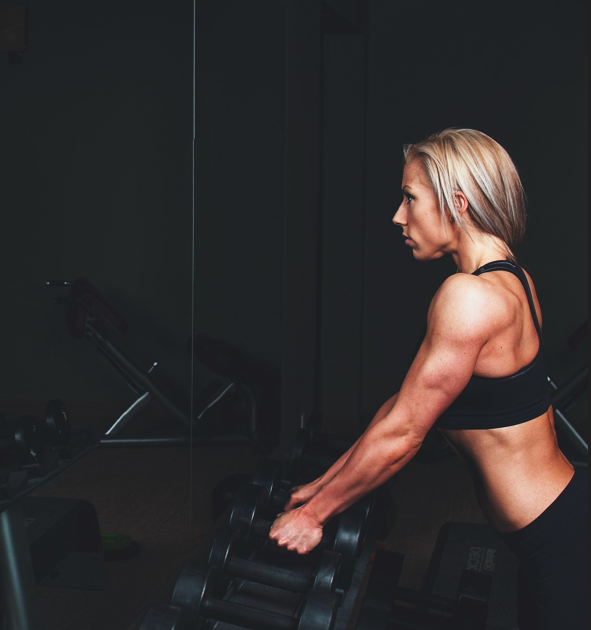
Healthy Ageing Starts with Movement: Why Building Muscle Matters Just as Much as What You Eat
Healthy Ageing Is More Than Just Eating Well
People often ask me, “What’s the secret to living a long, healthy life?”
After decades of practising yoga, teaching movement, working as a personal trainer, and continually learning about the human body, my answer has always been the same:
Longevity isn’t about finding one miracle food or one perfect exercise. It’s about creating a lifestyle that your body can thrive on for decades.
Nutrition is incredibly important, and I wholeheartedly agree with the growing body of research showing that foods such as colourful vegetables, berries, extra virgin olive oil, legumes and nuts support healthy ageing. In fact, these foods have been part of my own diet for many years.
But if I had to choose one message that I wish everyone understood, it would be this:
Food nourishes your body. Movement tells your body to stay strong.
The combination of both is where the real magic happens.
Your Lifestyle Is Your Greatest Investment
We often look for shortcuts to health—a supplement, a superfood or the latest trend.
In reality, our bodies respond to what we do consistently.
Healthy ageing is influenced by many lifestyle factors, including:
-
Regular strength training
-
Daily movement
-
Good nutrition
-
Quality sleep
-
Stress management
-
Meaningful social connections
-
Maintaining a healthy body weight
-
Avoiding smoking and excessive alcohol
No single habit works in isolation. They work together to help us remain active, independent and resilient as we grow older.
Why Building Muscle Is One of the Best Things You Can Do
One of the biggest changes that naturally occurs with ageing is the gradual loss of muscle mass and strength.
This process begins around our 30s and accelerates as we age if we don’t actively challenge our muscles.
Losing muscle doesn’t simply mean becoming weaker.
It can affect:
-
Balance
-
Bone health
-
Metabolism
-
Mobility
-
Joint stability
-
Confidence
-
Independence
I’ve worked with clients in their 50s, 60s, 80s and beyond who believed they were simply “getting old.”
More often than not, they weren’t becoming old—they had simply stopped challenging their muscles.
The encouraging news is that our muscles continue to respond to training throughout life.
Whether you’re lifting weights, practising Pilates, flowing through yoga, climbing stairs, carrying groceries or using resistance bands, you’re giving your body an important message:
“Keep this muscle. I still need it.”
That message becomes increasingly valuable as we age.
Movement Is Medicine
People often think exercise only counts if they’re spending an hour in the gym.
Movement comes in many forms.
Walking.
Yoga.
Strength training.
Pilates.
Swimming.
Dancing.
Gardening.
Playing with grandchildren.
Stretching between meetings.
Everything counts.
As someone who practises ballet, teaches yoga and coaches strength training, I’ve learnt that movement isn’t just about burning calories.
It helps us maintain mobility, coordination, posture, flexibility, balance and confidence.
The goal isn’t simply to live longer.
The goal is to keep doing the things you love for as many years as possible.
The Foods I Believe Support Healthy Ageing
While movement is the foundation of my philosophy, nutrition provides the building blocks that allow our bodies to recover and perform at their best.
Many of the foods consistently linked with healthy ageing are already simple everyday foods.
Colourful Vegetables
Leafy greens, broccoli, tomatoes, capsicum, carrots and other colourful vegetables provide vitamins, minerals and antioxidants that support overall health.
I like to think of each colour as offering something different, so eating a wide variety is one of the easiest ways to nourish your body.
Berries
Blueberries, strawberries, raspberries and blackberries are rich in flavonoids—natural plant compounds associated with healthy ageing, brain health and reduced oxidative stress.
They’re one of my favourite additions to breakfast.
Extra Virgin Olive Oil
Extra virgin olive oil is one of the most researched foods associated with longevity.
Its naturally occurring polyphenols support heart health and healthy cellular function, making it a wonderful everyday fat to include in meals.
Legumes
Beans, lentils and chickpeas provide fibre, plant protein and slow-releasing carbohydrates that support digestive health and help maintain steady energy throughout the day.
Nuts and Seeds
A handful of mixed nuts and seeds provides healthy fats, minerals and plant protein.
They’ve been part of my daily routine for years and make an easy, nourishing snack.
Fruit
Apples, citrus fruits and other seasonal fruit contain vitamins and beneficial plant compounds that support overall wellbeing.
Quality Protein
One area I believe deserves more attention as we age is protein intake.
Protein supplies the amino acids our muscles need for repair and growth, particularly after exercise.
Whether your protein comes from fish, eggs, dairy, tofu, legumes or other quality sources, eating enough protein becomes increasingly important as we get older, especially 50+ beyond.
Food and Exercise Work Together
This is the part I think many people overlook.
You can eat the healthiest diet in the world, but if your muscles aren’t being challenged, your body has less reason to maintain them.
Likewise, you can exercise regularly, but without adequate nutrition, your recovery and progress will be limited.
The two work hand in hand.
Nutrition provides the building blocks.
Exercise tells your body how to use them.
Neither replaces the other.
Don’t Forget Recovery
Healthy ageing isn’t about training harder every day.
It’s also about recovering well.
Quality sleep, hydration and managing stress allow your body to repair, adapt and perform.
Recovery isn’t being lazy.
It’s part of the training process.
My Personal Approach
People often ask what I do myself.
My routine isn’t based on perfection.
It’s based on consistency.
I include strength training to maintain muscle.
I practise yoga to keep my body mobile and my mind grounded.
I enjoy ballet because it challenges my balance, coordination and control.
I walk whenever I can.
I eat plenty of colourful vegetables, berries, legumes, nuts, healthy fats and quality protein.
Most importantly, I listen to my body and continue learning.
Health isn’t a destination.
It’s a lifelong practice.
Final Thoughts
There is no single food that will stop ageing.
There is no single exercise that guarantees longevity.
But there are daily habits that can dramatically influence how we feel and function in the years ahead.
Every nourishing meal.
Every strength workout.
Every walk.
Every yoga practice.
Every good night’s sleep.
These small choices accumulate over time.
My goal as a personal trainer and yoga teacher isn’t simply to help people live longer.
It’s to help them build bodies that remain strong, mobile and capable of enjoying life for as many years as possible.
Because longevity isn’t just about adding years to your life.
It’s about adding life to your years.
Disclaimer: This article is for educational purposes only and is not intended to replace personalised medical advice. If you have a medical condition or concerns about your health, please consult your doctor or another qualified healthcare professional before making significant changes to your diet or exercise routine.